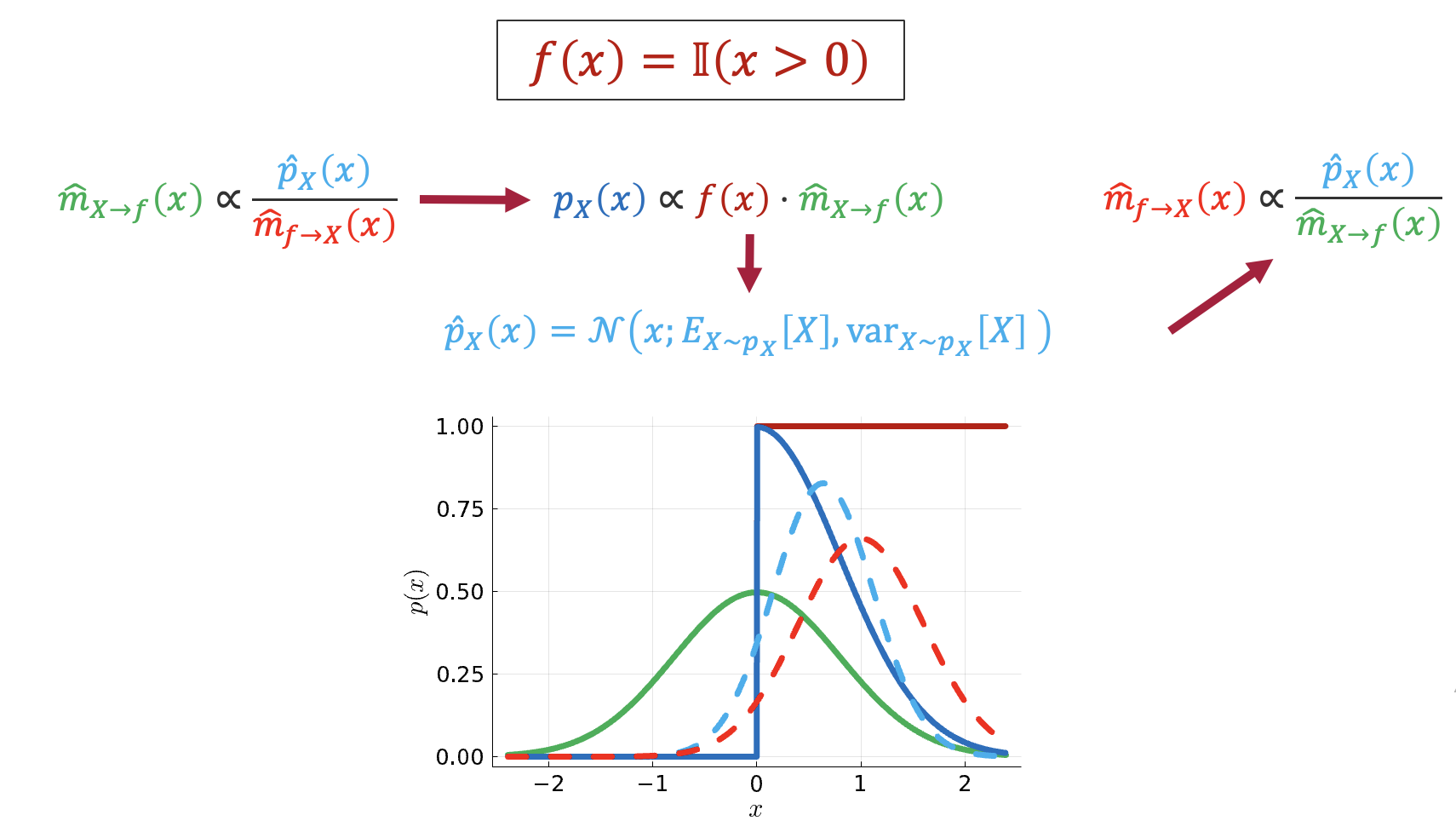
Approximate Bayesian Inference
Exploiting factorial structure for efficient approximation of large probabilistic models.
Energy-Efficient AI Research · Building Ventures · Societal Impact
Twenty-five years turning principled research into systems used by billions — from TrueSkill to large-scale ML leadership. Now founding the next generation of energy-efficient AI.
Honorary Professor, Tübingen AI Center · Co-founder, Brenniq · Co-founder, KIGG
A belief over functions, certain only where the data is — the idea behind most of my work.
About
I build AI systems and algorithms that match human intelligence in efficiency and reliability

I have always been fascinated by the concept of artificial intelligence: the idea that machines can compute behaviors that an independent observer would consider intelligent. For twenty-five years I have examined that idea from both ends — the theory, and the systems that have to survive contact with billions of users.
I am a firm believer in a probabilistic model approach: the world around us is unpredictable and best understood through models that explicitly account for uncertainty. And this approach is also core for data- and energy-efficiency. That thread runs from a PhD in statistics through systems at Microsoft, Facebook, Amazon and Zalando, into research and teaching, and now into a company and a non-profit built on it.
I do not accept existing scientific boundaries and think that the largest breakthroughs will be made at the intersection of existing disciplines.
I want my work to have a positive impact on many people’s lives. I work backwards from genuine human problems rather than forwards from available technology, and I fundamentally believe in a people-first approach — developing people matters more to me than any individual project succeeding. The work I am proudest of came from arguing with scientists in other fields.
Ventures
Company
A company building data- and energy-efficient learning algorithms at frontier-model scale.
Non-profit
A non-profit (gGmbH) on AI and society — working on the responsible adoption of AI and its effects on people and institutions.
Research
Each thread below is a summary with its key systems and papers. The full topic page — everything from the old site, plus the complete publication list — is one click deeper.
Bayesian inference is a powerful mechanism for data analysis and machine learning. In real-world situations it is rarely possible to perform exact inference so approximate methods are necessary. But the world around is unpredictable and uncertain - so true AI systems need to account for uncertainty if they want to model intelligence.
Exploiting factorial structure for efficient approximation of large probabilistic models.
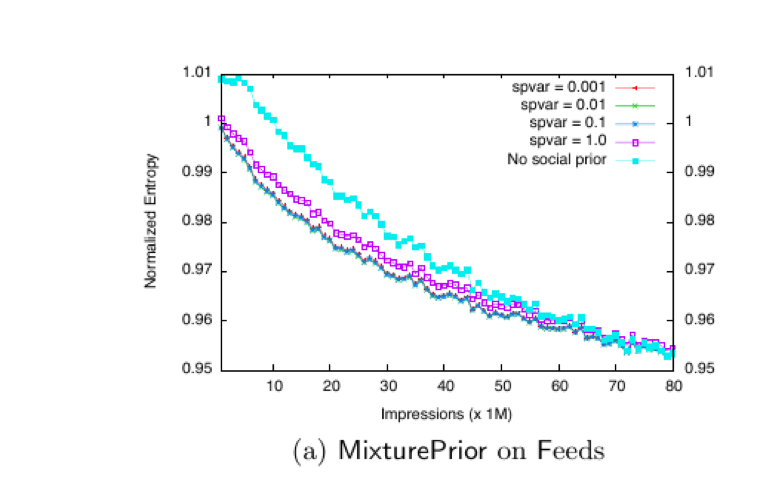
Using social-network structure as a prior to speed up convergence on very large dataset about people.
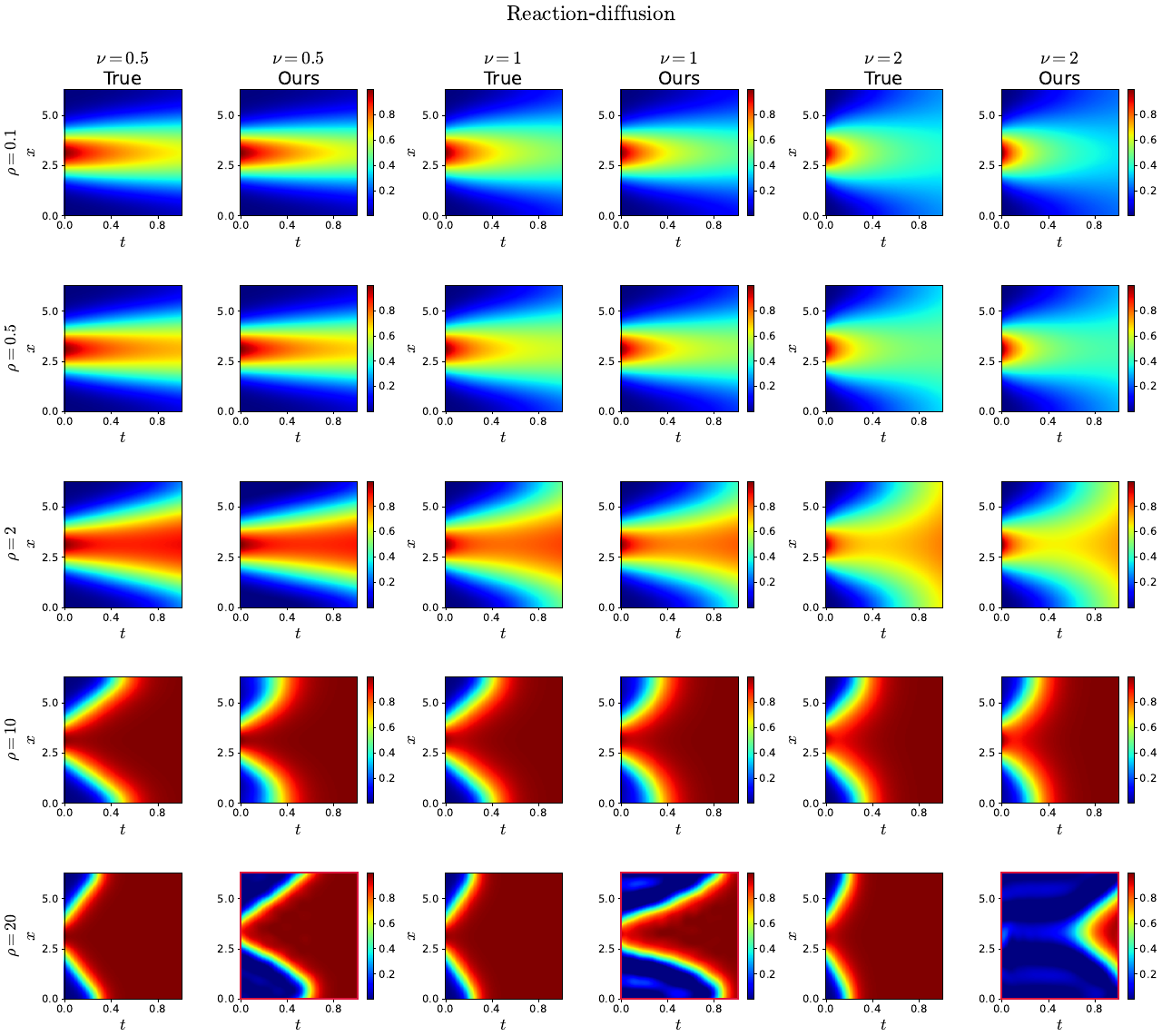
Using partial differential equations as a prior to speed up convergence when learning in the real world governed by physics.
All work in this area →40 papers
Knowledge about the invariance of a problem can improve a classifier far more than more data will. Much of this work is about writing that knowledge into the geometry of the model space — and about what the Bayes-optimal point in that space actually is.
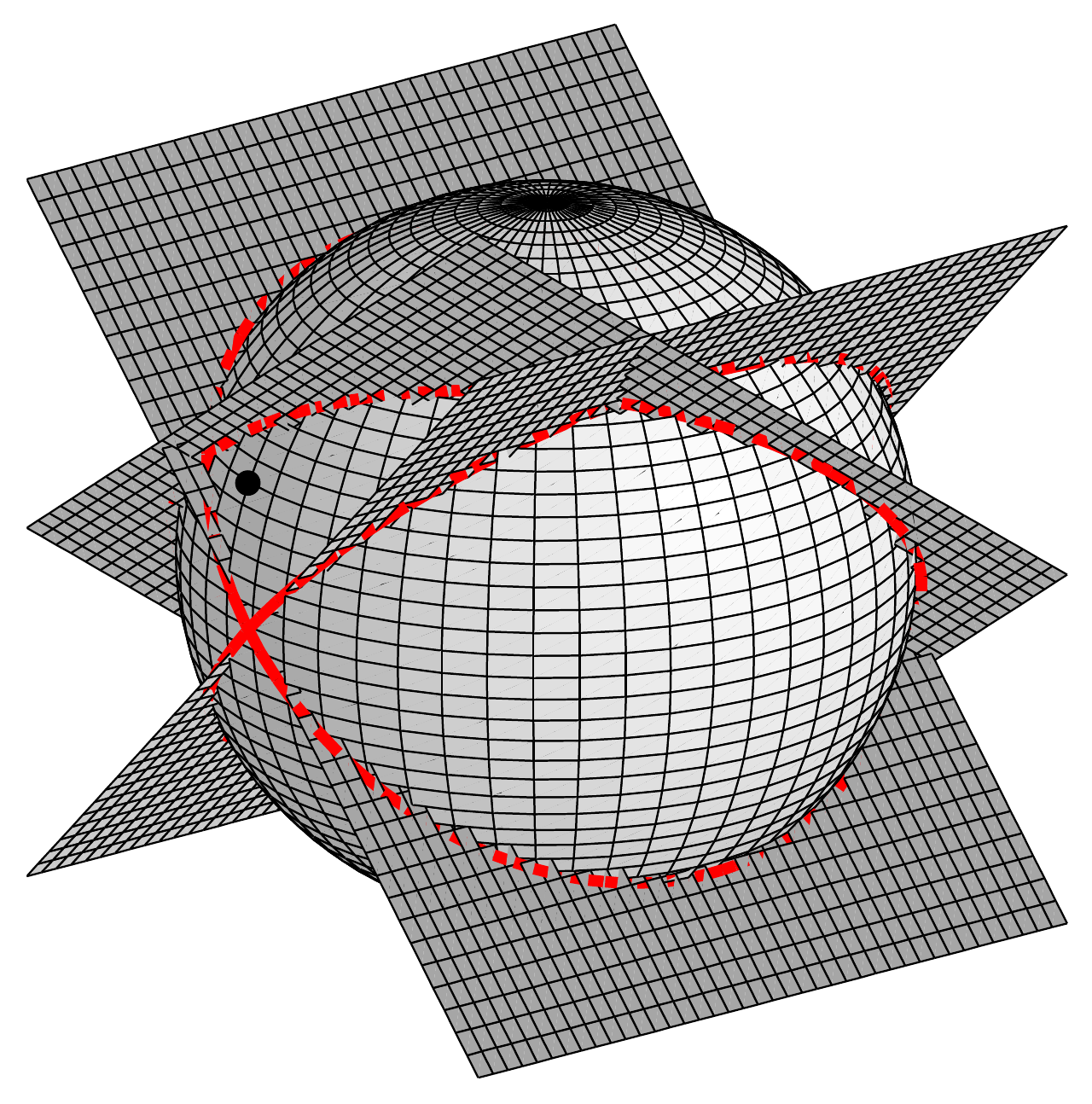
Kernel classifiers that approximate the Bayes-optimal decision by the centre of mass of version space, rather than the maximum-margin point.

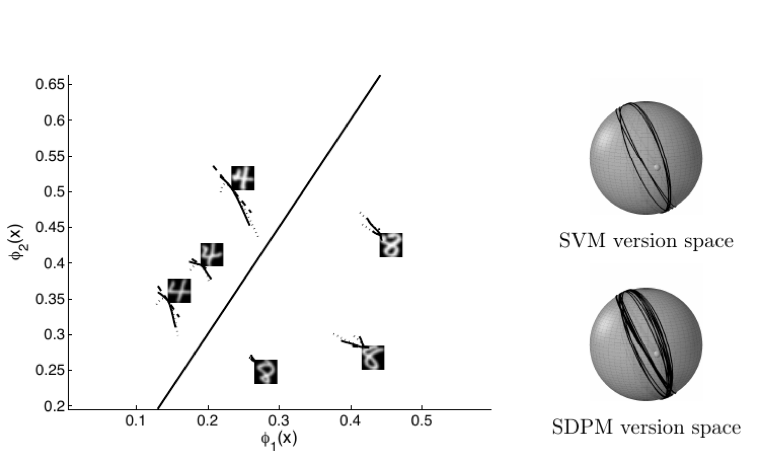
Maximum-margin hyperplanes when training examples are polynomial trajectories rather than points.
All work in this area →31 papers
Why does a learning algorithm generalize at all? Bounds depend on the algorithm you actually ran, not on the worst one you might have.
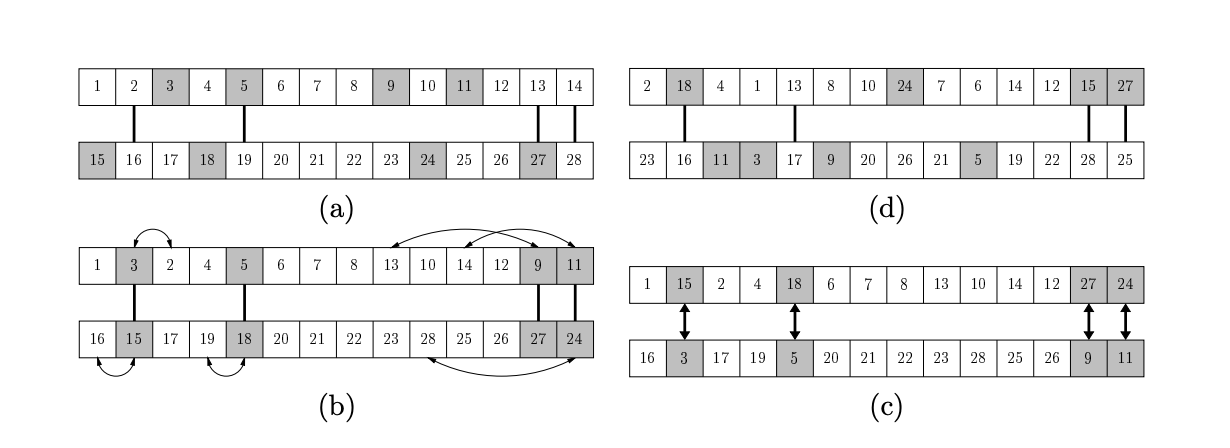
Generalization bounds for a specific algorithm relative to prior knowledge — dropping the uniform-convergence requirement.
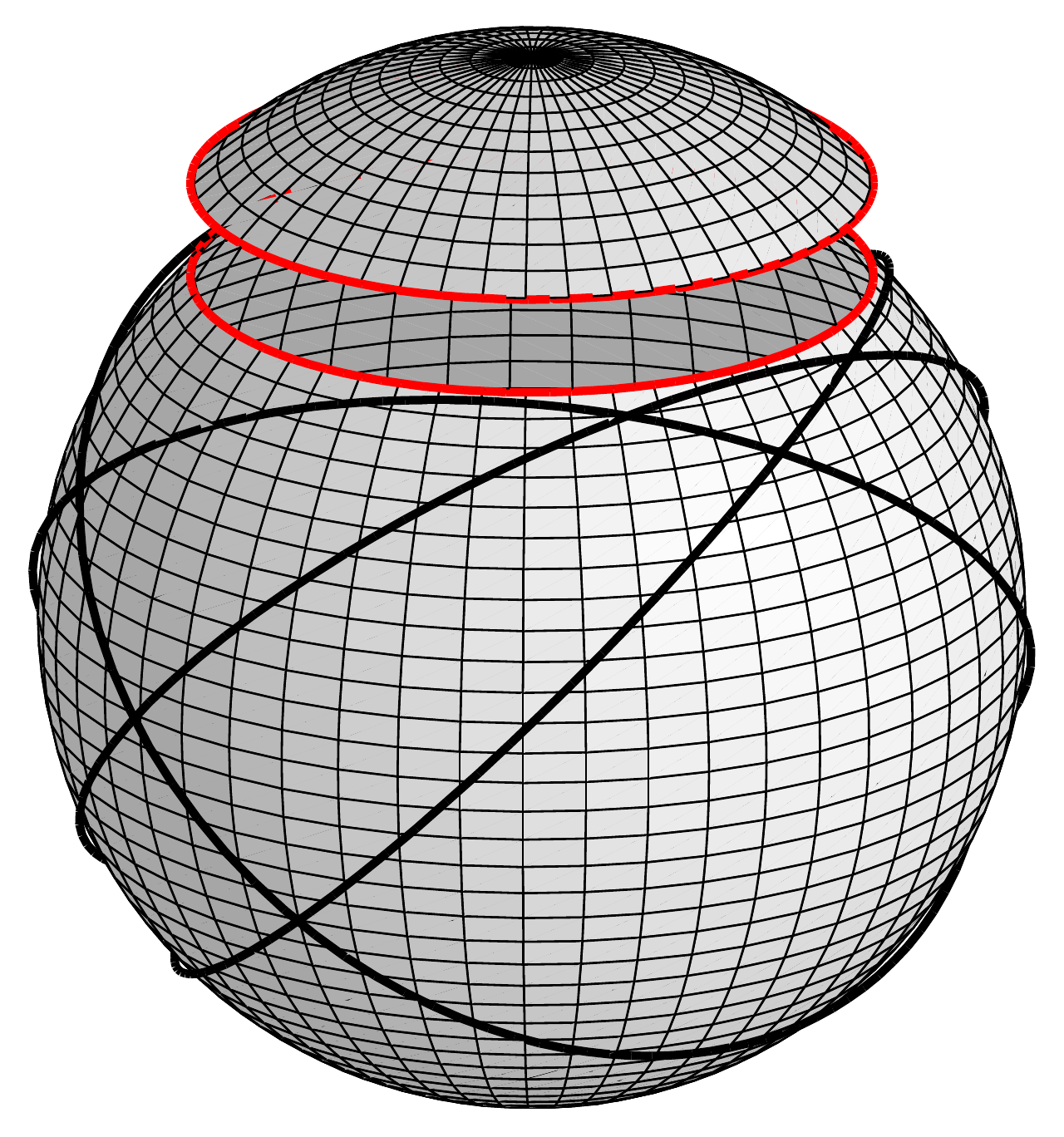
Margin turns out to be an approximation to the volume ratio of consistent classifiers — which is what the bound really depends on.
When do optimal solutions lie in the span of the mapped training examples, far more generally than was known.
All work in this area →18 papers
Games are a rich domain for studying skill, strategy, and social interaction, providing both challenges and opportunities for machine learning methods. The problems range from ranking and matchmaking players to predicting moves and modeling human-like behavior in virtual environments like race tracks.
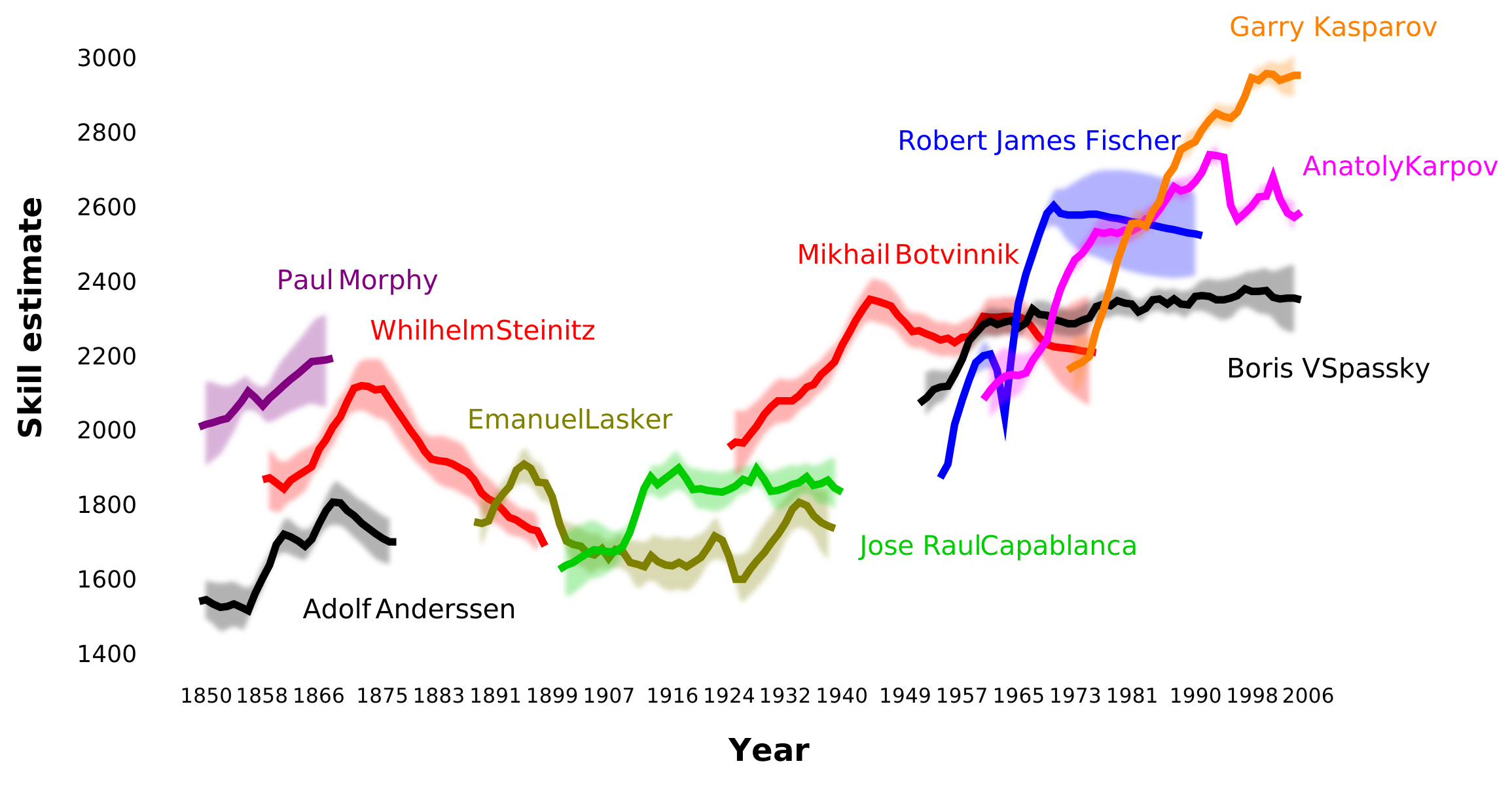
The system behind Xbox Live — tracking skill and uncertainty per player, now used well beyond gaming.
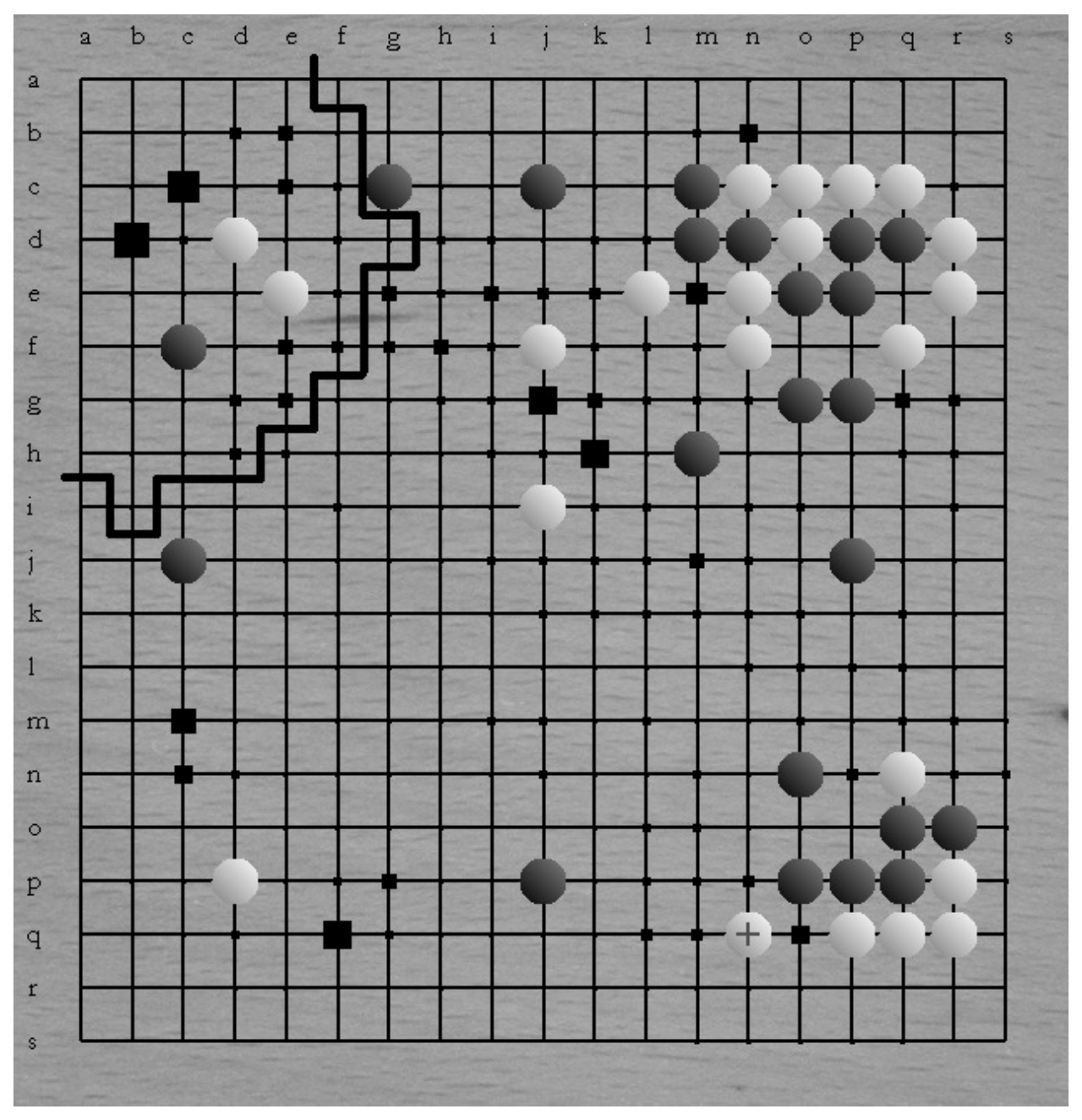
Move prediction in Go by ranking local patterns, and learning on the game graph itself.
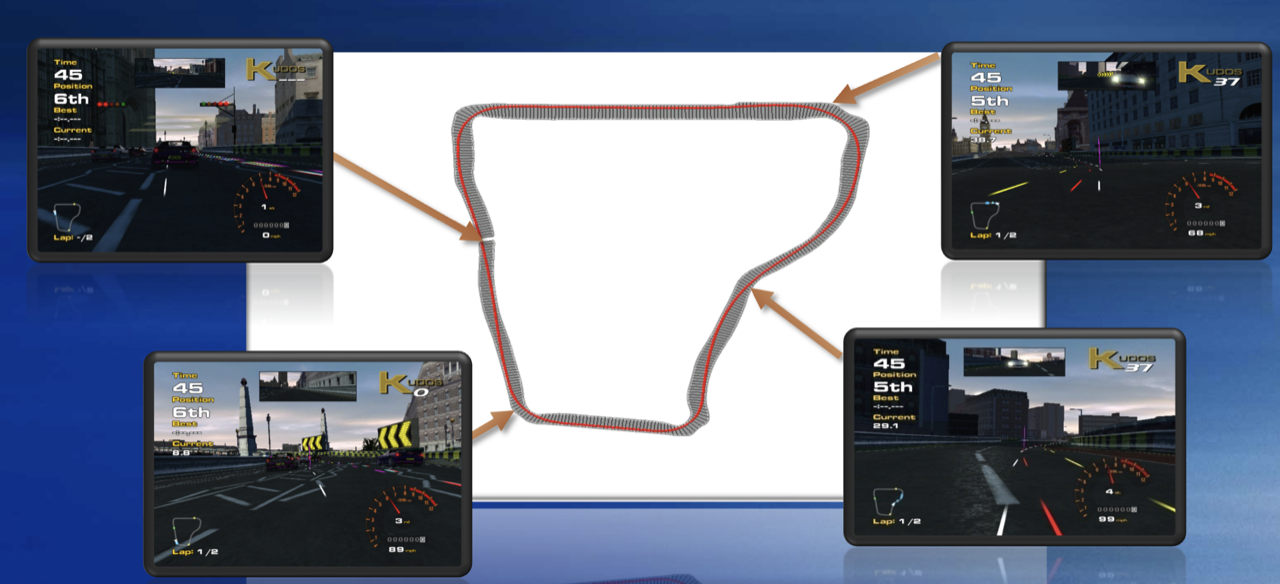
Learned AI drivers for Forza Motorsport that model how a particular human actually races.
All work in this area →10 papers
Two sides of the same problem: predicting what a person will respond to, from a very sparse record of what they responded to before — at a scale where the model has to update online and never stop.
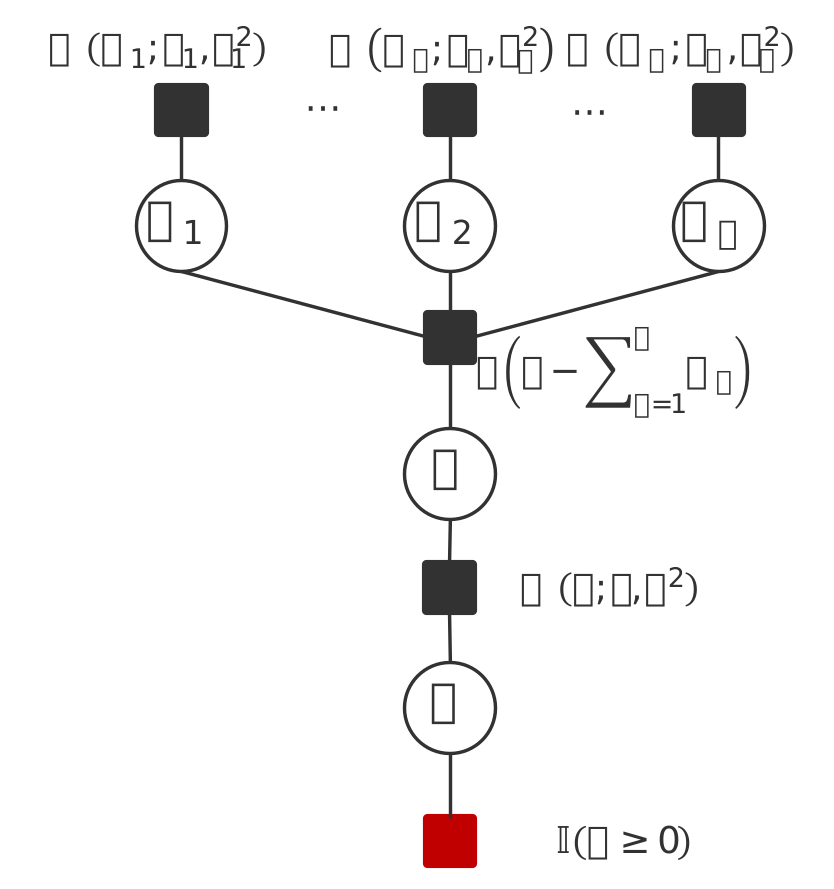
Web-scale Bayesian click-through-rate prediction for sponsored search.
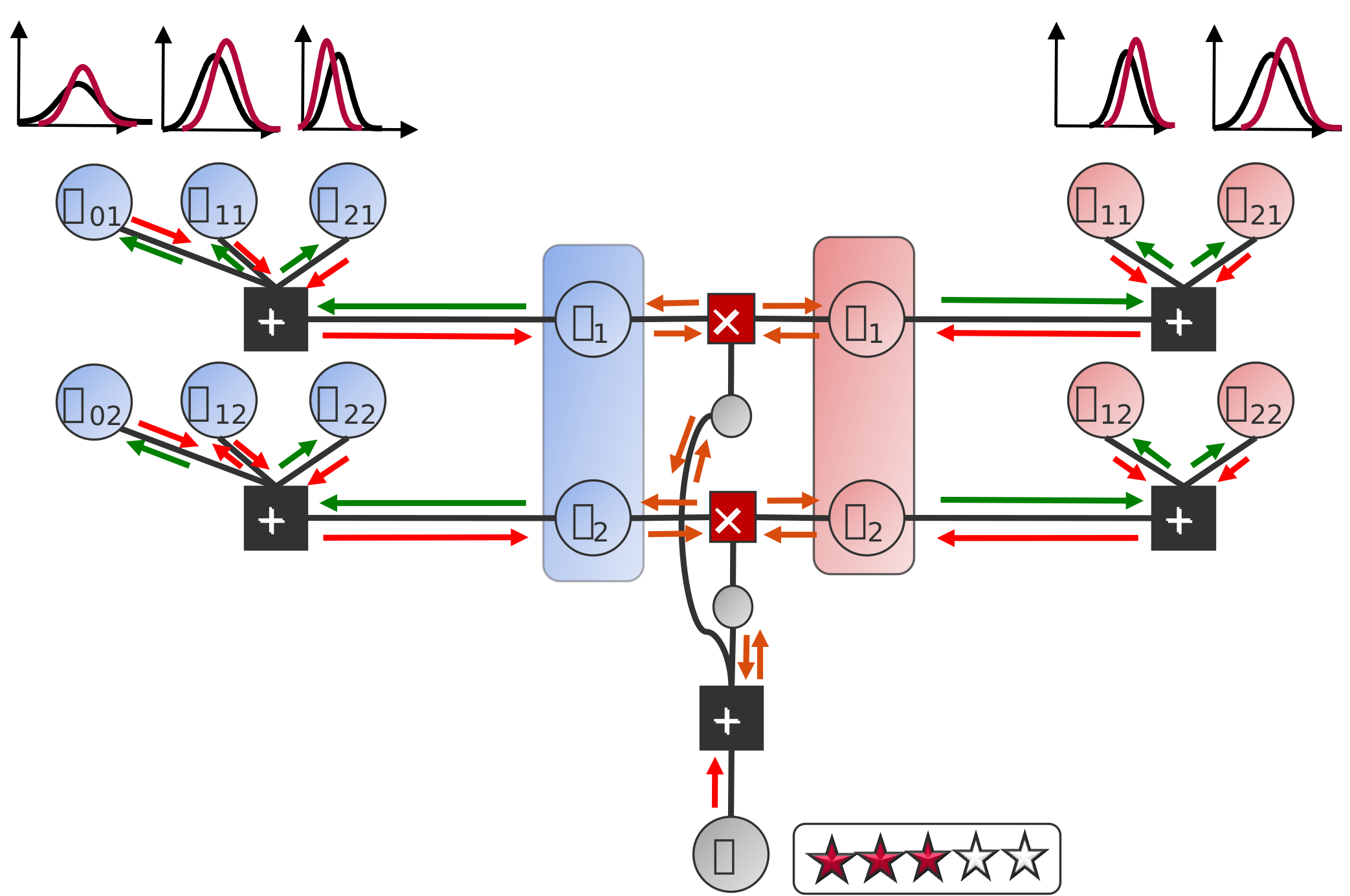
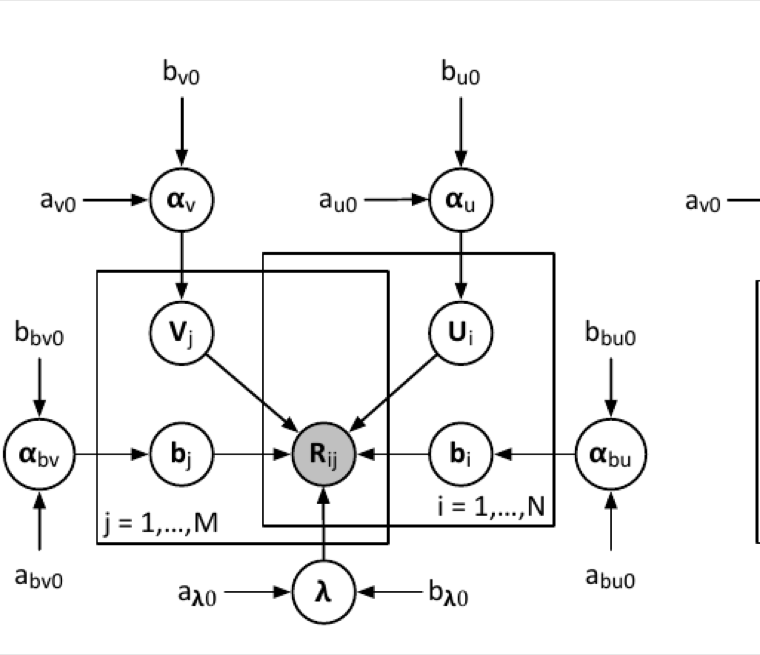
A Bayesian treatment of the social graph as evidence about taste.
All work in this area →17 papers
Energy-efficient design by approximate arithmetic circuits such as adders, multipliers or logical circuits or approximate storage and memory due to reduced accuracy in floating point or integer data or accepting less reliable memory due to refresh rate reductions.
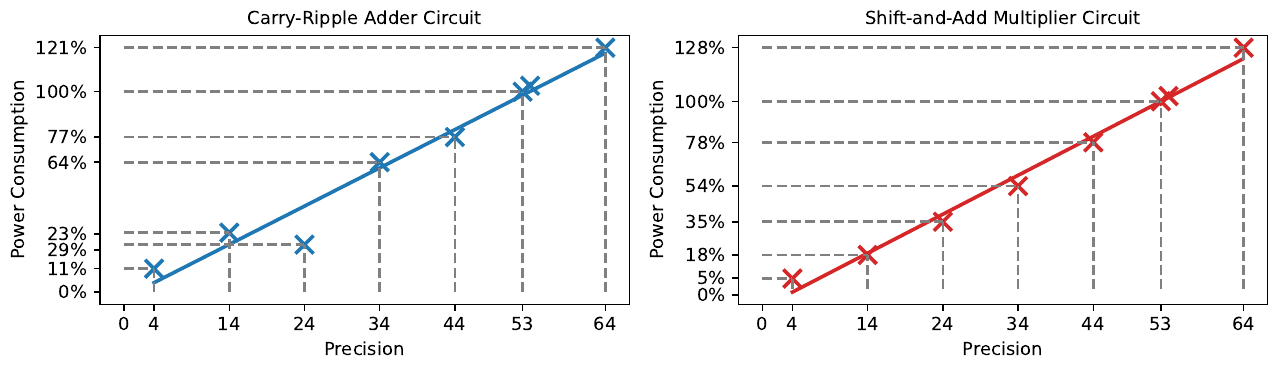
Energy-efficient inference under reduced numerical precision — the compute side of the same argument.
All work in this area →8 papers
Full publication list — 101 papers, filterable by topic and year →
Teaching
Every lecture series below was recorded and is freely available.